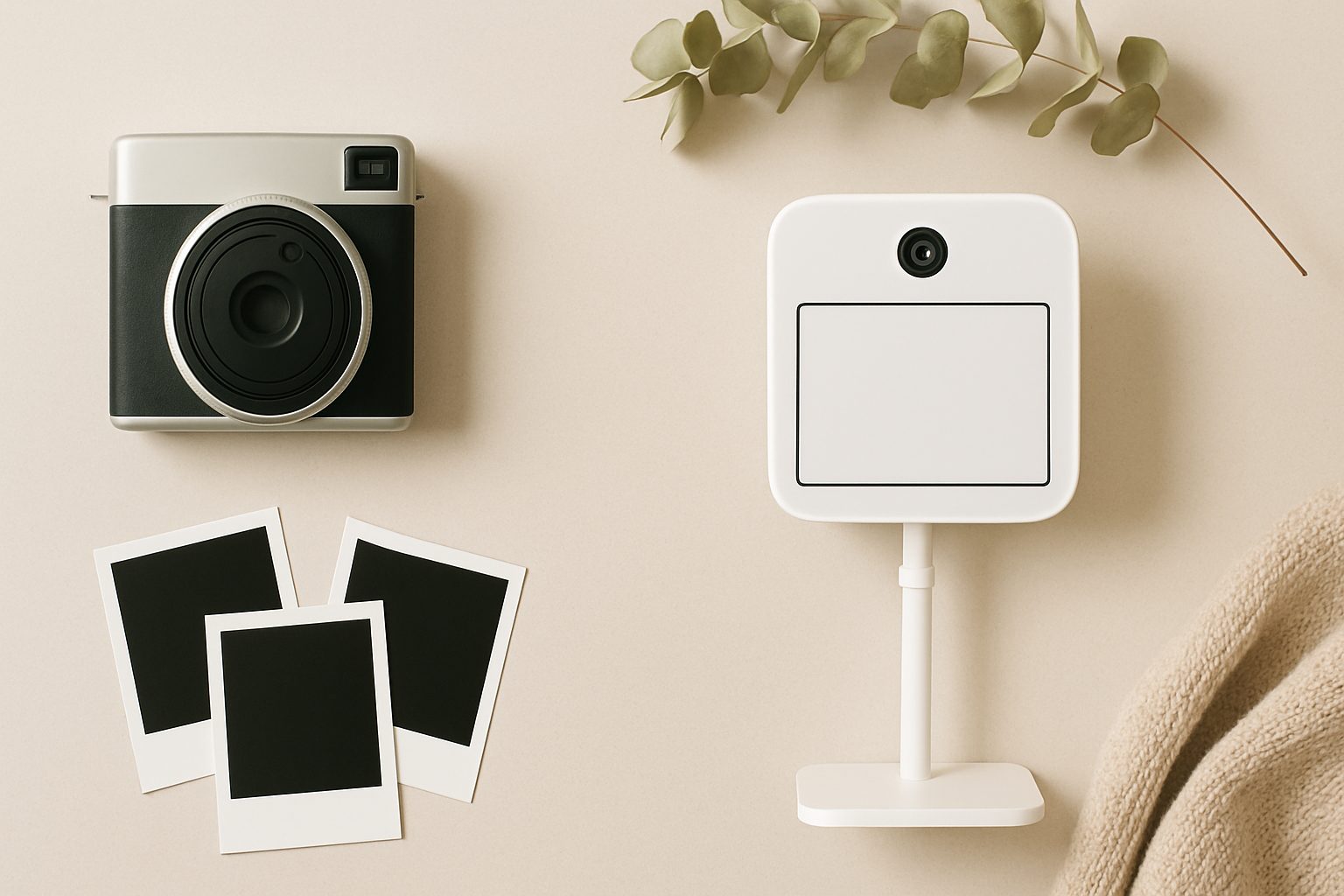
Photo Booth Printer Paper & Ink Guide UK — What You Really Need
Choosing the right printer paper and ink for your home photo booth is one of those decisions that feels simple until you're knee-deep in options and conflicting advice online. Get it wrong and you'll waste money on poor prints or damage your printer. Get it right and your guests leave with sharp, vibrant 6x4 prints that actually look like photos rather than faded ghosts.
Most home photo booth setups in the UK use dye-sublimation (dye-sub) printers rather than inkjet. If you've already bought your booth hardware—whether that's a Selfiestand, a custom DIY rig, or something from a specialist supplier—you likely have a specific printer model in mind. What catches a lot of people off guard is that the consumables market is fragmented, quality varies wildly, and you can spend 50% more than necessary if you're not careful about sourcing.
Why Dye-Sublimation Matters
Dye-sublimation works differently from regular inkjet printing. Instead of liquid ink droplets sitting on paper, dye-sub uses heat to turn solid ink into a gas that bonds directly with the paper's coating. This produces genuine photographic-quality prints with rich colour saturation and no visible ink dots. It's why event photographers favour it.
The trade-off is that dye-sub is more expensive to run than inkjet, and your printer only works with compatible paper and ribbon cartridges. You can't just grab whatever looks cheap at an office supply shop. That said, understanding what you're buying means you can find decent prices without sacrificing quality.
Paper Types and What to Look For
Dye-sublimation paper comes in a few main varieties, and the difference between them is actually significant.
Glossy paper is the standard choice for photo booths. It has a protective coating that catches the dye perfectly and produces prints with punch. Colours pop, blacks are deep, and the finish is durable. Most people expect their photo booth prints to have a glossy look—it feels professional and prints dry instantly without smudging.
Matte paper exists, but you'll rarely want it for a photo booth. It diffuses light, so colours look less vibrant, and it's slower to work with operationally. Matte has its place in fine-art printing, but not when you're churning through guest photos.
Pearl or satin finishes sit between glossy and matte. They reduce glare and feel slightly more elegant, but they're harder to find in the UK market and cost more. Unless you have a specific brand reason to use them, glossy is cheaper and works better for the context.
For UK suppliers, you'll usually find dye-sub paper sold by the ream (100 or 250 sheets) in standard sizes: 6x4, 4x6, 5x7, and 8x10. The 6x4 size dominates the photo booth world because it's quick to produce, costs less per shot, and guests can pocket it easily.
Check the weight and coating specification when you order. Most quality dye-sub paper sits around 235 gsm (grams per square metre) with a hard coating. Cheaper alternatives skimp on coating or use thinner stock—prints will look flat and colours won't saturate properly.
Ink Cartridges: the Recurring Cost
Your printer came with a specific cartridge set: CMYK (cyan, magenta, yellow, black) plus often a clear overcoat layer. Some printers use a combined ribbon cartridge; others have separate cartridges. Check your manual. Ordering the wrong ones is frustrating and wastes money.
OEM (original equipment manufacturer) cartridges are what your printer manufacturer sells. They're reliable, colour-matched to the printer, and expensive. Expect to pay £60–£100 for a full set.
Compatible third-party cartridges clone the OEM design and are significantly cheaper—often 40–50% less. The quality debate is real. Some third-party makers use quality dye that matches OEM output; others cut corners and produce duller prints. Reading reviews from other UK photo booth operators on Facebook groups or Reddit helps you identify the decent ones. Avoid the absolute bottom-tier Chinese knockoffs sold on marketplace sites; they fail too often.
Refillable cartridge systems exist and can work, but they're more hassle. You're buying ink powder and filling cartridges yourself. It's messier and carries a risk of air bubbles or contamination. For a home photo booth where uptime matters, it's usually not worth the complexity.
The real financial strategy here is finding a reliable third-party supplier in the UK that consistently delivers good-quality cartridges. Once you've tested a brand and confirmed the prints look good, stick with them and buy in bulk when you can. Supplier-switching is a hidden cost because you'll waste prints testing new cartridges.
Storage and Shelf Life
Dye-sublimation supplies are more finicky than standard printer paper.
Store your cartridges in a cool, dry place—ideally between 15 and 25°C. Heat causes the dye to become more fluid and can clog printheads. Cold slows it down. Humidity can damage the cartridge membranes. A lockable drawer or cabinet away from direct sunlight is fine; don't leave cartridges in a garage or shed.
Paper also absorbs moisture. Unopened reams in their original plastic stay stable for a couple of years. Once you open a ream, use it within a few months if you can. If you're not running the booth constantly, buy smaller quantities more frequently rather than stockpiling. Damp paper produces worse results and can jam your printer.
Most cartridges have a shelf life of around two years from manufacture. Check the date code on the box when you buy, especially if ordering from marketplace sellers who might have old stock.
Managing Costs
Photo booth consumables are your primary recurring cost. A 6x4 glossy print costs roughly 15–25p to produce (paper plus ink) depending on your supplier choices. If you're pricing guest prints at £3–5 per copy, that's solid margin, but it matters that you're not paying over the odds for consumables.
Budget annually based on expected print volume. A booth that produces 50 prints a week will need roughly 2,500 sheets of paper and corresponding cartridge replacements per year. Buying cartridges as you need them is convenient but more expensive; buying a year's supply at once saves money if you can store it properly.
Sourcing Strategy
Most UK photo booth operators source paper and cartridges from Amazon UK, specialist photo printing suppliers, and the occasional bulk office supply retailer. Amazon is convenient, prices are visible, and reviews from other users are useful—but it's not always cheapest. Specialist suppliers sometimes run bulk discounts if you contact them directly.
Common Mistakes
Buying the wrong paper size for your printer—verify before ordering. Storing cartridges near radiators or in damp basements. Mixing cartridge brands and assuming they'll work the same way (they often don't). Running the printer dry without cleaning cycles—that clogs the printhead. Not testing new consumables on scrap prints before running them with real guests.
Final Word
Your photo booth prints are the physical takeaway your guests remember. The cost of using good-quality paper and reliable ink is tiny relative to the damage cheap consumables do to your reputation. Spend time finding suppliers you trust, buy sensibly in bulk, store properly, and test new products before committing. You'll run a more professional booth and save money in the long run.
More options
- Portable Instant Photo Booth Printer (e.g. Canon Selphy CP1500 / DNP DS-RX1HS) (Amazon UK)
- Selfie Mirror Magic Mirror Photo Booth Machine (Amazon UK)
- Ring Light with Stand for Photo Booth (18-inch, heavy-duty) (Amazon UK)
- iPad Kiosk Stand Photo Booth Enclosure (Amazon UK)
- Photo Booth Props Kit & Backdrop Bundle (Amazon UK)