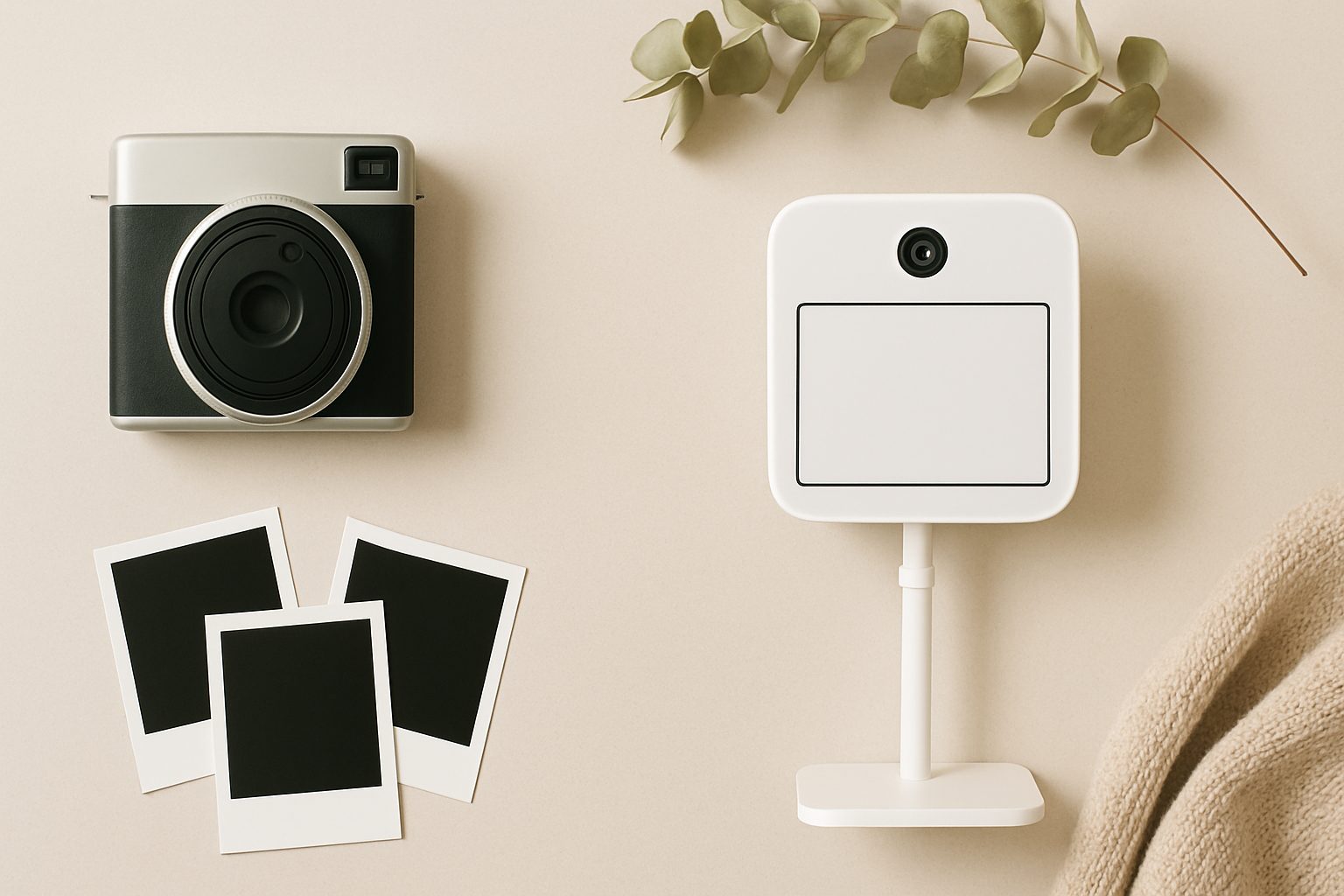
Best Selfie Mirror Photo Booths for Home UK 2025 — Full Reviews
Selfie mirror photo booths—sometimes called magic mirror booths—have moved from party venues and events into British homes. They're interactive touchscreen mirrors that snap photos, apply filters, and print instant prints. If you're considering one for entertaining guests, a special occasion, or just for novelty, this guide covers what actually works, what doesn't, and which ones are worth the space and money.
What You're Actually Getting
A selfie mirror photo booth is a tall, freestanding mirror (usually 1.5–2 metres) with a built-in camera, touchscreen, and often a thermal printer underneath. You stand in front, tap the screen to take photos, apply digital effects or frames, and the machine prints a physical copy on the spot. Some models also email or text digital copies.
The appeal is straightforward: instant physical photos, guests engage with the tech for entertainment, and you have printed keepsakes. The catch is they're not cheap, require space, need ongoing paper and ink, and the novelty does wear off after a few months.
Key Features Worth Considering
Mirror quality and size — The mirror itself matters. Cheap units have dull, warped reflections that undermine the whole experience. Look for units with actual glass mirrors, not film overlays. Larger mirrors (1.8m+) feel more impressive but take up serious floor space.
Camera and photo speed — Resolution should be at least 12 megapixels for decent prints. Photo speed matters more than people expect: if it takes 8–10 seconds between pressing the button and getting a print, guests lose interest mid-queue. Faster units (4–6 seconds) hold attention better.
Printing — Most UK units use thermal printing (KODAK, Canon, or Fujifilm mechanisms). Thermal is reliable and doesn't need ink cartridges, but paper costs add up. Budget roughly 20–40p per print depending on size. Some mirrors offer 4×6 or 6×8 prints; larger is more impressive but more expensive.
Software and customisation — Basic units offer simple filters and borders. Better ones let you upload logos, custom frames, or event branding. If you're using it for parties, this matters. Some allow QR codes on prints linking to digital photo galleries.
Connectivity — WiFi models can email or text digital copies. Some integrate with social media for instant uploads. Others are offline-only. Think about your actual need: do guests actually want a digital copy, or is the instant print the whole point?
Popular UK Options
KODAK Selfie Mirror — The most common unit in UK homes. Decent build quality, straightforward touchscreen, thermal printing. Print speed is respectable. Real downside: software is dated and customisation is limited compared to newer competitors. Costs around £4,500–£6,000 depending on size and features.
Fujifilm Instax Mirror — Compact and stylish, prints smaller (credit-card sized) which feels gimmicky for parties but works for informal gatherings. Much cheaper (£2,000–£3,500) but prints feel less substantial. Battery-powered option exists, which is handy if you don't want a permanent installation.
Magic Mirror by Local Suppliers — Various UK companies (PhotoBooth Warehouse, MirrorBooth UK) sell rebranded or custom units, often with better local support than big brands. Quality varies wildly. You're paying for local setup, support, and calibration—worth it if you value not waiting weeks for engineer visits.
Budget Alternatives — Some online retailers sell Chinese-manufactured units for £1,500–£2,500. Tempting pricing, but many have poor software, fragile touchscreens, and minimal UK support. Repair costs can exceed the machine's value.
Space and Installation Reality
These aren't portable. You're looking at a permanent or semi-permanent corner of your lounge, spare room, or garden studio. They need a power socket and level flooring. In smaller UK properties, a 2-metre mirror is genuinely awkward—test dimensions before buying.
Thermal printers are loud (not speaker-volume, but noticeable). If you're in a terrace or flat, neighbours will hear it during parties. That matters.
Most units require annual maintenance: thermal head cleaning, paper path clearing, occasional software updates. Buying a used unit without service history is risky.
Ongoing Costs You'll Actually Pay
- Paper: £50–£80 per month if used weekly.
- Occasional repairs: Touchscreen damage (£400–£800), print head failure (£300–£600).
- WiFi/connectivity features: Monthly subscription plans exist for some units (£10–£20/month).
The novelty factor is real. Most households use them heavily for the first 2–3 months, then monthly or a few times a year. That's worth factoring into your ROI calculation.
Honest Pros and Cons
Pros
- Instant physical prints are genuinely appealing to guests.
- Works well as a focal point for parties or events.
- Better build quality units last 5+ years with minimal issues.
- Customisation options let you brand prints for weddings or corporate events.
Cons
- High upfront cost with uncertain ongoing use.
- Takes up significant space permanently.
- Maintenance and repairs add up.
- Software on many units feels dated (lots of dated filter styles).
- Competitive with other party entertainment now (LED photo booths, instant camera stations).
Final Thoughts
A selfie mirror photo booth makes sense if you regularly host events, have genuine space, and don't mind ongoing paper and maintenance costs. For a one-off party, hire a temporary booth instead. If you love the concept but can't justify a full unit, the Fujifilm Instax Mirror offers a lower-cost entry point with acceptable compromises.
Quality matters here more than you'd expect. A cheap unit will frustrate guests with slow prints and touchscreen issues. Spending an extra £2,000 for a KODAK or Fujifilm unit versus a no-name alternative is genuinely worth it for reliability and resale value.
More options
- Portable Instant Photo Booth Printer (e.g. Canon Selphy CP1500 / DNP DS-RX1HS) (Amazon UK)
- Selfie Mirror Magic Mirror Photo Booth Machine (Amazon UK)
- Ring Light with Stand for Photo Booth (18-inch, heavy-duty) (Amazon UK)
- iPad Kiosk Stand Photo Booth Enclosure (Amazon UK)
- Photo Booth Props Kit & Backdrop Bundle (Amazon UK)